
Discover the valley
There is a valley where Umbria meets Tuscany so quietly you barely notice the border. Piero della Francesca was born in Sansepolcro, and his Resurrection still hangs there, in the Civic Museum. Below Anghiari, in 1440, Florence and Milan fought the battle Leonardo was commissioned to paint in Palazzo Vecchio. In Città di Castello, Alberto Burri left two whole museums: one in a Renaissance palace, one in the vast sheds where tobacco was once dried. This is the Upper Tiber Valley: eleven towns, two regions, one valley.
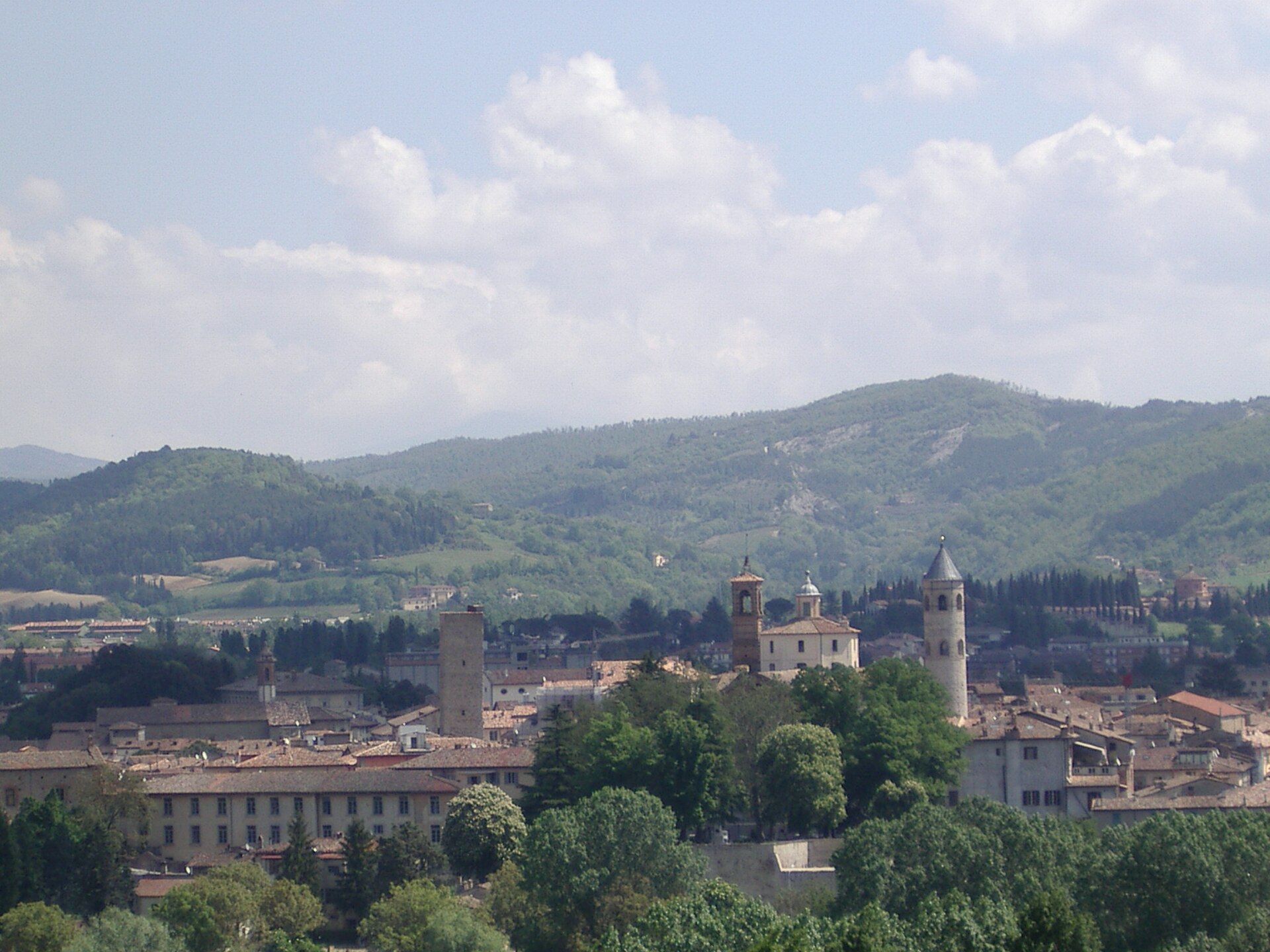
Every late summer since 1968, the valley becomes the stage of the Festival delle Nazioni, with concerts in the churches, palaces, museums and squares of its towns. But the valley is worth the journey in any season. This page gathers the reasons to come and everything you need to plan your visit.
Six reasons to visit the valley
Piero della Francesca
In Sansepolcro, his birthplace, the Civic Museum keeps the Resurrection. A few kilometres away, in Monterchi, a small museum is devoted entirely to the Madonna del Parto. Two masterpieces less than half an hour apart.
The Battle of Anghiari
On 29 June 1440 Florence and Milan clashed on the plain below the town. Leonardo was commissioned to paint the battle in the Hall of the Five Hundred and never finished it. In Anghiari, the Museo della Battaglia e di Anghiari tells the story of that day and of the lost painting.
Alberto Burri
Burri was born in Città di Castello in 1915. His Foundation has two venues in town: Palazzo Albizzini and the Ex Seccatoi del Tabacco, where his great cycles of works fill the former industrial sheds.
The Way of Saint Francis
The route from La Verna to Assisi crosses the valley: from Sansepolcro to Citerna, from Citerna to Città di Castello, then on to Pietralunga and Gubbio. You can walk it in stages, or simply for a day.
The hill towns
Citerna and Monte Santa Maria Tiberina look down on the valley, Montone sits within its walls, and in Pietralunga a saint and a dragon are carved in stone. We are writing a guide to each town: you will find them below.
White truffles
Every autumn, between late October and November, Città di Castello hosts the Salone Nazionale del Tartufo Bianco Pregiato, the national white truffle fair, and the old town fills with stalls and scent. Other villages in the valley hold their own autumn truffle fairs too, Pietralunga among them.
Who has played here
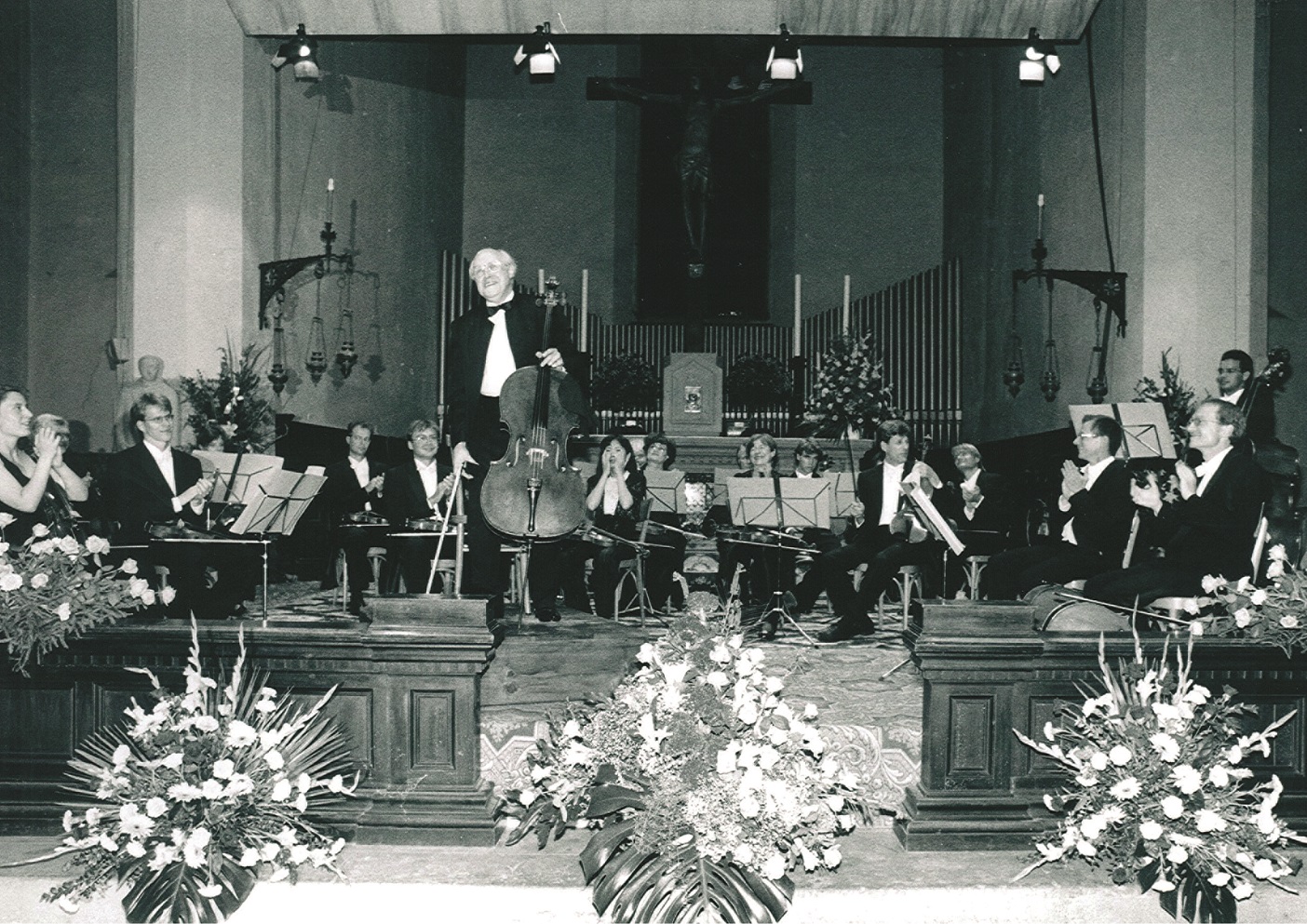
The museums, churches and theatres of the valley have welcomed some of the greatest performers of the twentieth century: Uto Ughi, Salvatore Accardo, Luciano Pavarotti, Krystian Zimerman, Gidon Kremer, Shlomo Mintz, Krzysztof Penderecki, Yuri Bashmet, the Amadeus Quartet, Alexander Lonquich, Mstislav Rostropovich. And with them Nino Rota in 1976, José Carreras in 1992, Stefano Bollani, Michael Nyman, Noa, Goran Bregović, Ute Lemper, Vinicio Capossela, Noemi.

The Festival in the valley
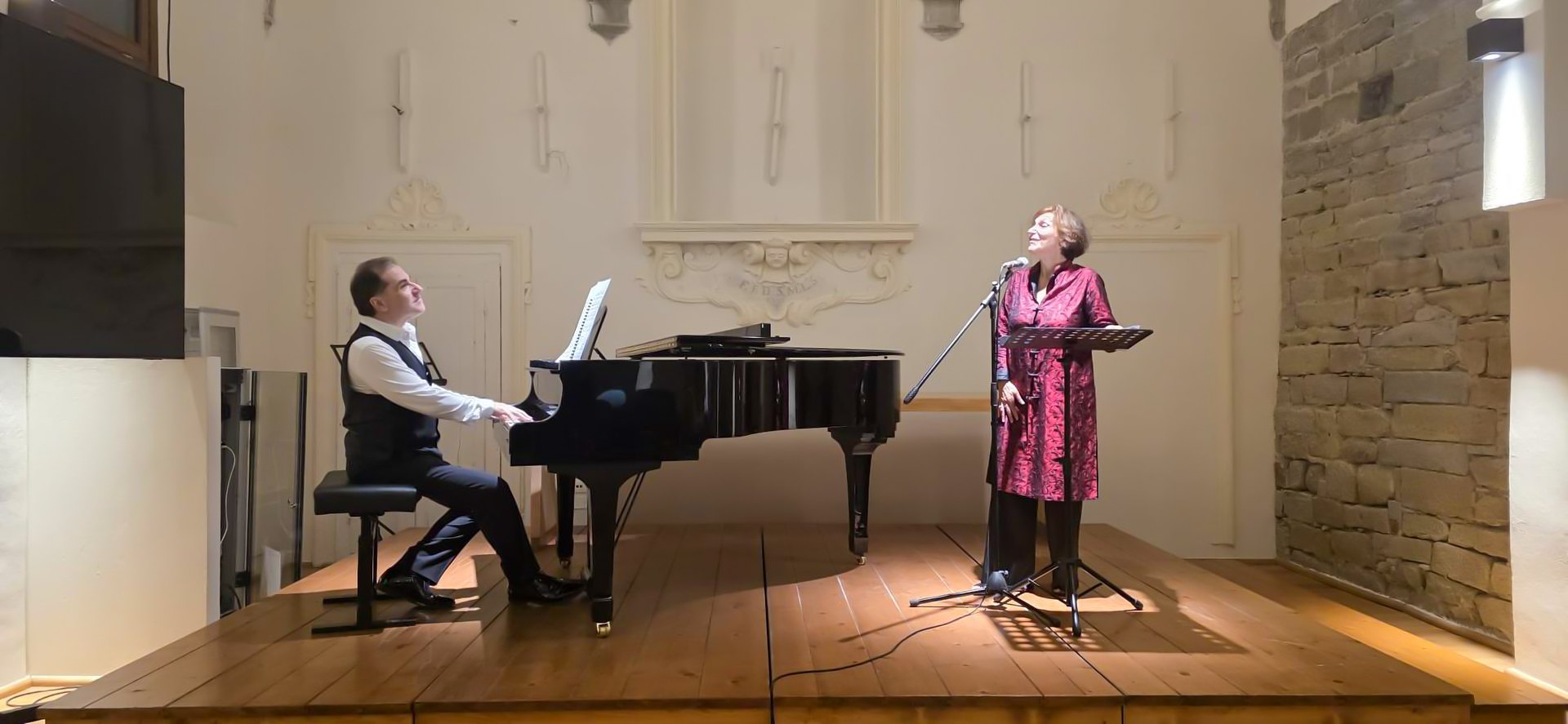
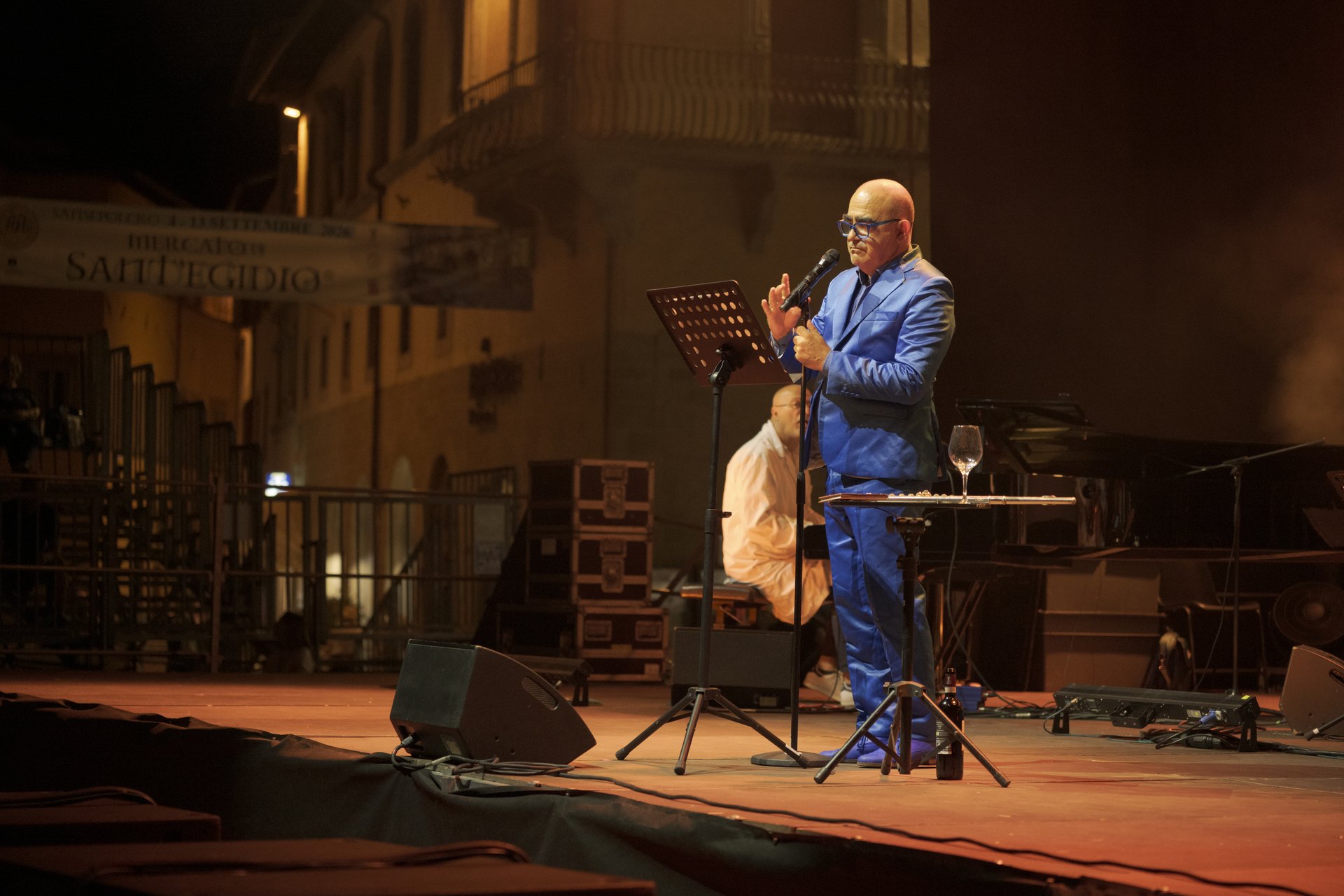
In 2026 the 59th edition, dedicated to Germany and the German-speaking countries, played from 27 August to 11 September in the eleven towns of the valley. In Anghiari, Marco Scolastra and Caterina Casini performed Enoch Arden at the Auditorium Mascagni; in Sansepolcro, Elio filled Piazza Torre di Berta.
The 60th edition, in 2027, will be dedicated to Europe. The programme will be published on this website.
Town guides
The Festival brings music to eleven towns. In Umbria: Città di Castello, Citerna, Lisciano Niccone, Monte Santa Maria Tiberina, Montone, Pietralunga, San Giustino and Umbertide; in Tuscany: Anghiari, Monterchi and Sansepolcro. For each one we are writing a guide: what to see, starting from the place where the Festival has played.
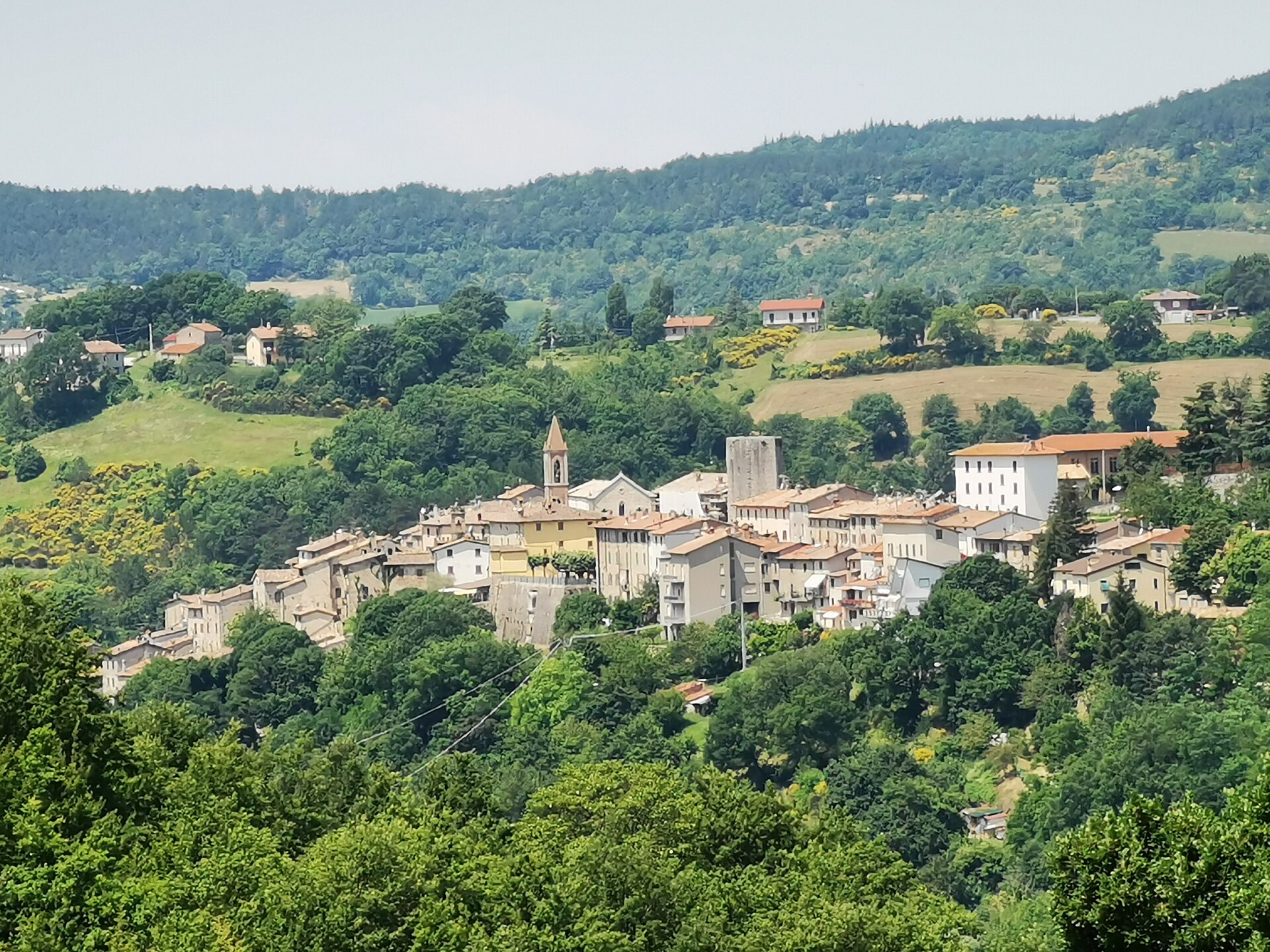
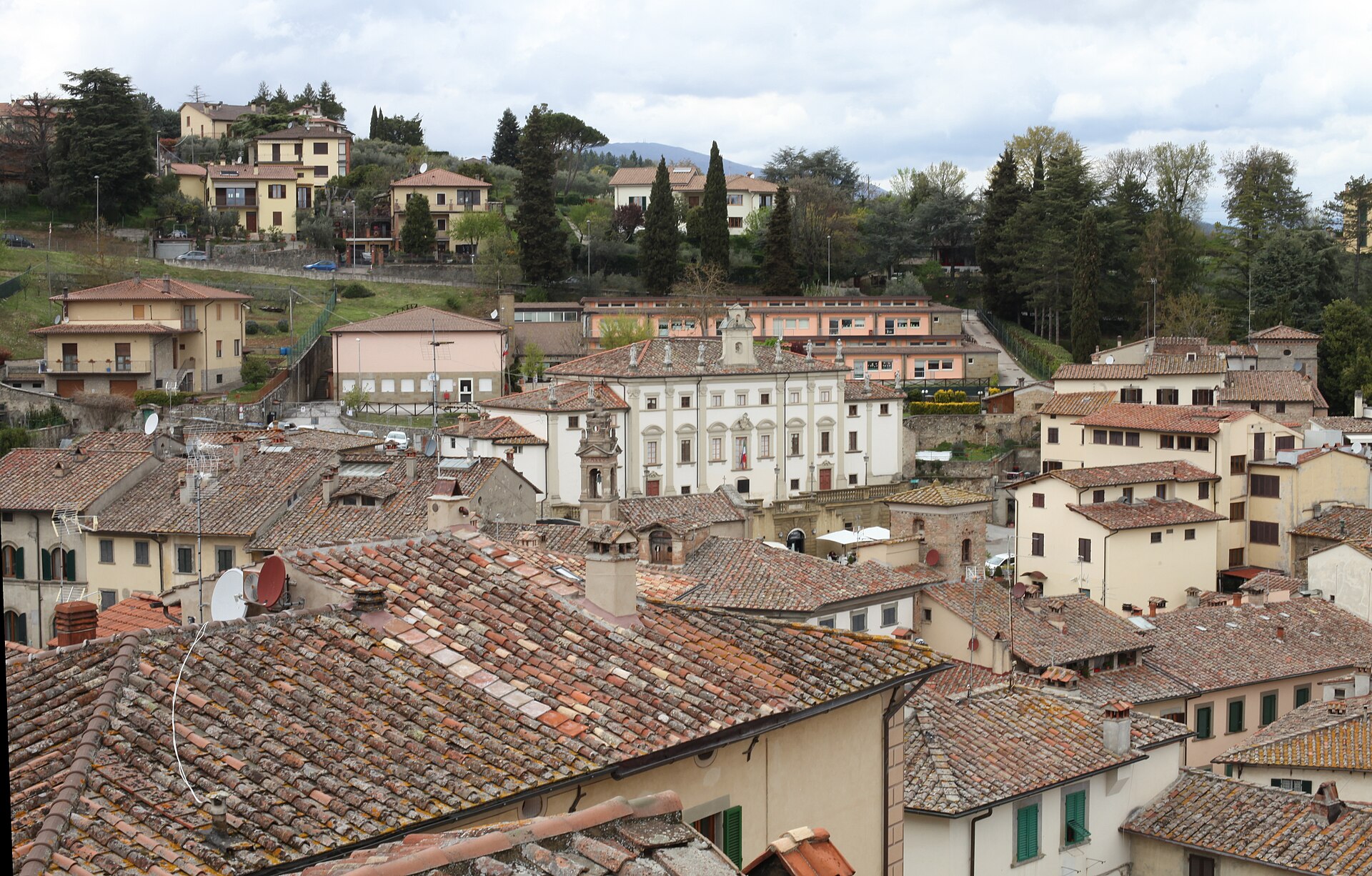
All the guides, as they come out, are in the Discover the valley section.
Practical information
Getting here
- By car. Città di Castello lies on the E45 dual carriageway, exits «Città di Castello» and «Città di Castello Sud». From Florence and Bologna, leave the A1 motorway at Arezzo and continue east on regional roads 73 and 221.
- By air. The nearest airport is Perugia San Francesco d’Assisi, about 45 km away. Further afield: Pisa (about 130 km) and Rome (about 220 km).
- By train. From Perugia on the Umbrian regional railway, or by national rail to Arezzo and then by bus.
Up-to-date timetables and connections are on the town’s tourism website: cittadicastelloturismo.it.
Festival discounts
During the Festival, ticket holders get discounts at partner museums, hotels and restaurants. The list is renewed every edition: the latest one is on the Convenzioni page (in Italian).
Museums and itineraries
To continue your visit, the Umbrian museum network offers themed itineraries: MUA itineraries.
Questions
For questions about the concerts and the next edition, write to us from the Contacts page.
Support the Festival
The Festival delle Nazioni is a non-profit association. If you loved this valley, you can help us fill it with music again next year by becoming a member. Everything is on the Support the Festival page (in Italian).